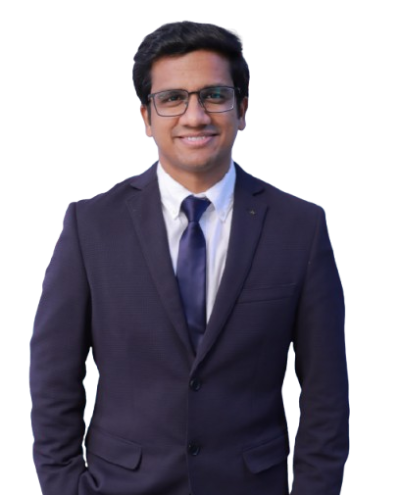
Dr. Nishith Vaddeboina is a leading Chemotherapy specialist in Hyderabad, Telangana, providing evidence-based oncology care at Nallagandla, Banjara Hills, and across India. Book a consultation for personalised diagnosis, treatment planning, and second opinions.
What is Chemotherapy?
Chemotherapy uses anti-cancer drugs to destroy or slow the growth of cancer cells. It is one of the most widely used systemic treatments in oncology and may be given alone or combined with surgery, radiation, immunotherapy, or targeted therapy depending on cancer type and stage.
How Chemotherapy Works
Chemotherapy targets rapidly dividing cells. While it affects cancer cells, it can also impact healthy cells such as those in the bone marrow, digestive tract, and hair follicles � which explains common side effects. Modern protocols use precise dosing schedules and supportive medicines to improve tolerability and outcomes.
Types of Chemotherapy
- Neoadjuvant chemotherapy: Given before surgery to shrink tumours.
- Adjuvant chemotherapy: Given after surgery to reduce recurrence risk.
- Palliative chemotherapy: Controls symptoms and slows advanced cancer.
- Combination regimens: Multiple drugs used together for greater effectiveness.
Common Side Effects and Supportive Care
Side effects vary by drug and individual response. Your oncologist monitors blood counts, organ function, and symptoms throughout treatment. Supportive care may include anti-nausea medicines, growth factors, nutritional guidance, and infection prevention.
When to Consult an Oncologist
Consult a specialist if you have a new cancer diagnosis, need a second opinion on chemotherapy plans, or experience persistent side effects during treatment. Early specialist review helps tailor the safest and most effective regimen.
Safe Chemotherapy Administration in Hyderabad
Dr. Nishith Vaddeboina follows evidence-based chemotherapy protocols with pre-treatment assessment, dose adjustments when needed, and proactive management of side effects to help patients complete treatment safely.
Why it Matters
Chemotherapy remains a cornerstone of cancer treatment for many tumour types. Expert dosing, supportive care, and close monitoring reduce complications and help patients stay on the most effective regimen.
Why Choose Dr. Nishith Vaddeboina in Hyderabad?
- Board-certified Medical Oncologist with expertise in advanced cancer treatments
- Personalised treatment plans based on cancer type, stage, and biomarker testing
- Care at leading hospitals in Hyderabad, Nallagandla, and Banjara Hills
- Compassionate support for patients and families throughout treatment
- Second opinions and treatment planning for complex or advanced cancers
Areas We Serve in Telangana
Dr. Nishith Vaddeboina treats patients from Hyderabad, Nallagandla, Banjara Hills, Gachibowli, Miyapur, Kukatpally, Secunderabad, Madhapur, Hitech City, and across Telangana and India. International patients are also welcome for expert oncology consultation.
Book Your Consultation Today
If you or a loved one needs expert cancer care, contact us at +91 8919791040 or email nishithvad@gmail.com. You can also book an appointment online with Dr. Nishith Vaddeboina for a comprehensive evaluation and personalised treatment plan.
Frequently Asked Questions
Who is a chemotherapy specialist in Hyderabad?
Dr. Nishith Vaddeboina is a Medical Oncologist in Hyderabad providing safe, evidence-based chemotherapy with supportive care for nausea, infection risk, and fatigue.
Is chemotherapy always necessary?
Not every patient requires chemotherapy. Treatment depends on cancer type, stage, biomarkers, and overall health.
How long does a chemotherapy cycle last?
Cycles typically range from 1 to 4 weeks, with rest periods between cycles to allow recovery.
Can chemotherapy cure cancer?
In some cancers, chemotherapy contributes to cure when combined with surgery or radiation. In advanced disease, it often controls growth and improves quality of life.