
Antibody-Drug Conjugates (ADCs) Moving Earlier in Treatment — Practical Implications
Cancer treatment is becoming more targeted and personalised with advances in modern oncology. One rapidly evolving area is the use of Antibody-Drug Conjugates (ADCs), which combine targeted therapy with chemotherapy delivery. Initially used in advanced or treatment-resistant cancers, ADCs are now increasingly being considered earlier in the treatment pathway for selected patients.
Dr Nishith Vaddeboina, MBBS, MD (General Medicine), DNB (Medical Oncology), PDCR, ECMO, Hyderabad, believes that patient awareness about emerging therapies is essential for informed cancer care decisions. Understanding how ADCs work and why they are moving earlier in treatment can help patients better discuss options with their oncology team.
What Are Antibody-Drug Conjugates (ADCs)?
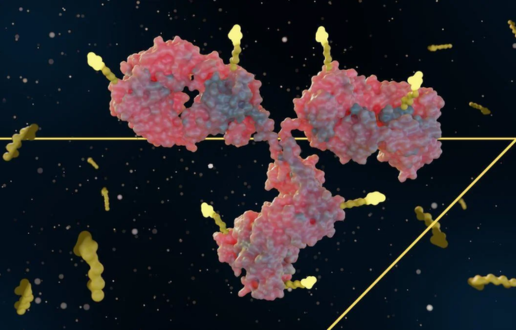
Antibody-Drug Conjugates (ADCs) are specialised cancer therapies designed to deliver anti-cancer drugs directly to tumor cells. They combine a targeted antibody with a powerful chemotherapy payload, allowing treatment to focus more specifically on cancer cells while aiming to reduce unnecessary exposure to healthy tissues.
ADCs are now being studied and used in several cancers, including breast cancer, lung cancer, and gynecological cancers. Patients searching for advanced cancer treatment in Hyderabad are increasingly hearing about ADCs as part of precision oncology approaches.
Why Are ADCs Being Used Earlier in Treatment?
Traditionally, many ADCs were reserved for patients whose cancer had progressed after standard therapies. However, ongoing research suggests that introducing ADCs earlier in selected patients may improve treatment response and disease control in certain situations.
Using ADCs earlier may help target cancer cells before resistance develops. It may also provide additional treatment options for patients who require more personalised therapy strategies. Many individuals seeking precision oncology care in Hyderabad are now discussing newer targeted therapies with their oncologists during early treatment planning.
What Are the Practical Benefits for Patients?
Earlier use of ADCs may offer several potential clinical advantages depending on cancer type, molecular profile, and treatment goals. These therapies are designed to combine the precision of targeted therapy with the effectiveness of chemotherapy.
Potential practical benefits may include:
- More targeted drug delivery
- Personalised treatment approaches
- Potential improvement in disease control
- Expanded treatment options for selected patients
Patients exploring targeted cancer therapy in Hyderabad may benefit from discussing whether ADC-based treatment strategies are appropriate for their condition.
Are There Side Effects Associated with ADCs?
Although ADCs are targeted therapies, they can still cause side effects. The type and severity of side effects depend on the specific drug, treatment duration, and patient’s overall health condition. Common side effects may include fatigue, nausea, low blood counts, nerve-related symptoms, or gastrointestinal disturbances.
Some ADCs may also require monitoring for lung, liver, or eye-related complications depending on the treatment protocol. Patients considering medical oncology consultation in Hyderabad should discuss possible risks, monitoring requirements, and expected outcomes with their oncology specialist.
Who May Be Suitable for ADC-Based Treatment?
Eligibility for ADC therapy depends on several factors, including cancer subtype, biomarker testing results, prior treatments, and overall clinical status. Many ADCs work only when specific targets are present on cancer cells, making molecular testing an important part of treatment selection.
According to Dr Nishith Vaddeboina, “Modern oncology increasingly focuses on selecting the right treatment for the right patient at the right stage of disease. ADCs are an important example of how precision medicine is shaping future cancer care.”
Patients should remember that treatment decisions are individualised and based on scientific evidence, safety considerations, and multidisciplinary evaluation.
Conclusion
Antibody-Drug Conjugates (ADCs) are transforming cancer treatment by combining targeted therapy with precision drug delivery. As these therapies move earlier into treatment pathways, they are expanding personalised care options for selected patients across different cancer types.
If you would like to understand more about ADC therapy in Hyderabad or discuss advanced targeted cancer treatment options, consult Dr Nishith Vaddeboina, Medical Oncologist in Hyderabad, for personalised guidance tailored to your medical condition.