
Preventable Cancers and Lifestyle Changes: Tobacco Cessation, Alcohol, Diet, Exercise, and Weight Management
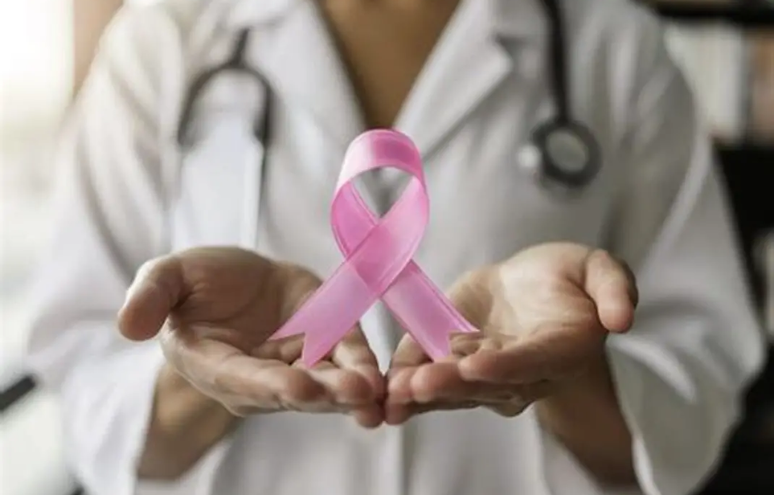
Although not all cancers can be prevented, research shows that several cancers are linked to lifestyle and environmental risk factors. Small but consistent lifestyle changes may help reduce cancer risk and improve overall long-term health. Preventive healthcare, regular screening, and healthy habits remain important parts of cancer awareness.
Dr Nishith Vaddeboina, MBBS, MD (General Medicine), DNB (Medical Oncology), PDCR, ECMO, Hyderabad, believes cancer prevention should begin with informed daily health choices. Public awareness about preventable cancer risks can help individuals make healthier long-term decisions for themselves and their families.
How Does Tobacco Increase Cancer Risk?
Tobacco use is one of the leading preventable causes of cancer worldwide. Smoking and smokeless tobacco products are associated with cancers of the lung, mouth, throat, esophagus, bladder, pancreas, and several other organs.
Even long-term exposure to secondhand smoke may increase health risks. Patients searching for cancer prevention guidance in Hyderabad should understand that quitting tobacco at any age may provide important health benefits. Professional cessation support, counselling, and medical guidance can improve quit success rates.
Alcohol and Cancer Risk: What Should Patients Know?
Alcohol consumption has been linked to increased risk of several cancers, including liver cancer, breast cancer, colorectal cancer, head and neck cancers, and esophageal cancer. Risk may increase further when alcohol use is combined with smoking.
Reducing or avoiding alcohol intake may support long-term cancer prevention and liver health. Patients seeking preventive oncology care in Hyderabad should discuss lifestyle habits openly with their healthcare providers as part of overall wellness planning.
How Do Diet and Weight Affect Cancer Risk?
Maintaining a balanced diet and healthy body weight may help lower the risk of several cancers. Diets rich in fruits, vegetables, whole grains, fibre, and minimally processed foods are generally associated with better long-term health outcomes.
Excess body weight may increase the risk of cancers such as breast cancer, colorectal cancer, endometrial cancer, and others. Helpful dietary habits may include:
- Reducing processed and ultra-processed foods
- Limiting excessive red meat intake
- Choosing fibre-rich meals
- Maintaining portion control
- Staying adequately hydrated
Patients exploring healthy lifestyle support in Hyderabad should remember that sustainable habits are more effective than short-term restrictive diets.
Why Is Physical Activity Important?
Regular physical activity supports cardiovascular health, weight management, mental wellbeing, and metabolic balance. Studies suggest that exercise may help reduce the risk of several cancers while also improving quality of life and recovery during survivorship.
Simple activities such as walking, cycling, stretching, or moderate exercise routines may provide long-term benefits when done consistently. Patients looking for cancer risk reduction guidance in Hyderabad should choose exercise routines appropriate for their age, fitness level, and medical condition.
Can Lifestyle Changes Completely Prevent Cancer?
Healthy habits can reduce risk but cannot guarantee complete cancer prevention. Genetics, environmental exposures, infections, ageing, and other biological factors also contribute to cancer development. This is why routine screening and timely medical evaluation remain important even in healthy individuals.
According to Dr Nishith Vaddeboina, “Cancer prevention is not based on a single lifestyle change. Long-term health protection comes from combining tobacco avoidance, balanced nutrition, physical activity, weight management, and regular medical screening.”
Patients should avoid unverified “anti-cancer” claims or extreme lifestyle programs that lack scientific evidence.
Conclusion
Preventable cancers are closely linked to lifestyle habits such as tobacco use, alcohol intake, poor diet, physical inactivity, and obesity. Adopting healthier daily habits may help lower cancer risk while improving overall physical and emotional wellbeing.
If you would like personalised guidance regarding cancer prevention and healthy lifestyle planning in Hyderabad, consult Dr Nishith Vaddeboina, Medical Oncologist in Hyderabad, for evidence-based medical advice and preventive care recommendations.