
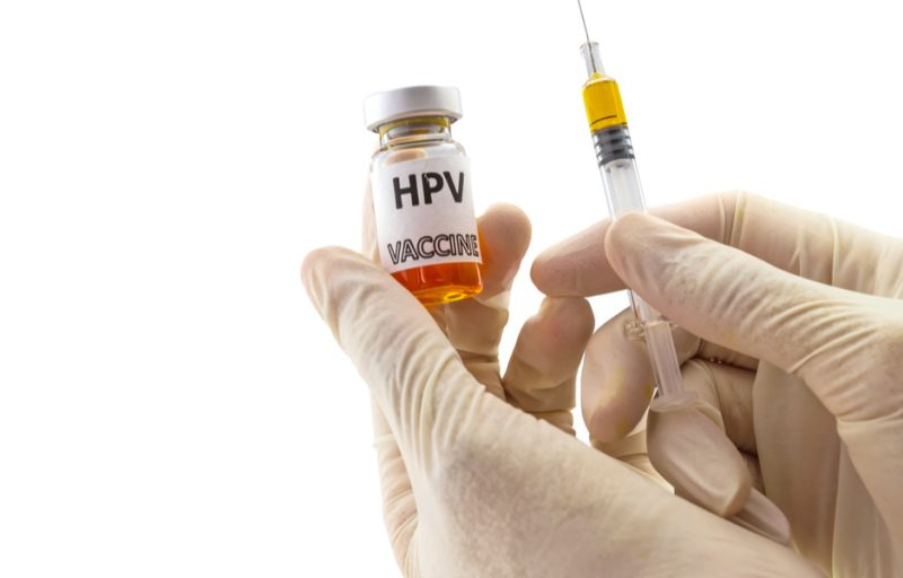
HPV and Cancer Prevention: Vaccine Benefits, Who Should Get It, and Myths vs Facts
Human Papillomavirus (HPV) is one of the most common viral infections worldwide and is strongly linked to several types of cancer. The good news is that many HPV-related cancers can be prevented through vaccination and early screening. Awareness about HPV vaccination is an important step in long-term cancer prevention.
Dr Nishith Vaddeboina, MBBS, MD (General Medicine), DNB (Medical Oncology), PDCR, ECMO, Hyderabad, explains that prevention through vaccination is one of the most effective public health strategies in reducing cervical and other HPV-associated cancers. Understanding eligibility, benefits, and misconceptions is essential for informed decision-making.
What is HPV and How Does It Cause Cancer?
Human Papillomavirus (HPV) is a group of viruses that can infect the skin and mucous membranes. Some high-risk strains of HPV are associated with cancers such as cervical cancer, anal cancer, throat (oropharyngeal) cancer, vaginal cancer, vulvar cancer, and penile cancer.
In most cases, HPV infections resolve on their own. However, persistent infection with high-risk strains may lead to precancerous changes over time. Patients searching for HPV vaccine in Hyderabad should understand that vaccination helps prevent infection from the most dangerous HPV strains before exposure occurs.
What Are the Benefits of HPV Vaccination?
The HPV vaccine is designed to protect against multiple high-risk HPV strains that are responsible for the majority of HPV-related cancers. Vaccination is most effective when given before exposure to the virus, but may still provide benefits in selected older age groups depending on individual risk assessment.
Key benefits may include:
- Reduced risk of cervical cancer
- Protection against other HPV-related cancers
- Prevention of precancerous lesions
- Long-term immune protection
- Reduced need for invasive treatments in the future
Patients exploring cancer prevention in Hyderabad should consider HPV vaccination as part of a broader preventive healthcare strategy along with screening and lifestyle measures.
Who Should Get the HPV Vaccine?
HPV vaccination is generally recommended for adolescents and young adults before exposure to the virus. However, vaccination decisions may also be considered in older individuals based on medical evaluation, risk factors, and shared decision-making with a healthcare provider.
Commonly recommended groups include:
- Adolescents (boys and girls) before sexual exposure
- Young adults who were not previously vaccinated
- Selected high-risk individuals as advised by a doctor
Patients seeking HPV vaccination guidance in Hyderabad should consult a qualified healthcare professional to determine eligibility and appropriate timing.
Myths vs Facts About HPV Vaccine
Despite strong scientific evidence supporting HPV vaccination, several myths still create confusion. Addressing these misconceptions is important for improving awareness and vaccine acceptance.
Myth: HPV vaccine is only for women.
Fact: HPV affects both men and women, and vaccination benefits both genders.
Myth: HPV vaccine is only needed after exposure.
Fact: The vaccine is most effective before exposure to HPV.
Myth: HPV vaccine encourages unsafe behaviour.
Fact: Vaccination is a preventive medical measure and does not influence behaviour patterns.
Myth: Cervical cancer screening is not needed after vaccination.
Fact: Regular screening remains important even after vaccination.
Are There Side Effects or Risks?
HPV vaccines are widely studied and generally considered safe. Most side effects, if they occur, are mild and temporary, such as pain at the injection site, mild fever, or fatigue.
Serious adverse effects are rare. Patients considering medical oncology consultation in Hyderabad or preventive vaccination should discuss any allergies, medical history, or concerns before receiving the vaccine.
According to Dr Nishith Vaddeboina, “HPV vaccination is one of the most effective preventive tools available in oncology today. Combined with regular screening, it can significantly reduce the burden of cervical and other HPV-related cancers.”
Conclusion
HPV vaccination is a powerful preventive strategy against several types of cancer, especially cervical cancer. Understanding who should receive the vaccine, its benefits, and correcting common myths can help improve long-term public health outcomes.
If you would like personalised guidance regarding HPV vaccination and cancer prevention in Hyderabad, consult Dr Nishith Vaddeboina, Medical Oncologist in Hyderabad, for evidence-based preventive care advice.