
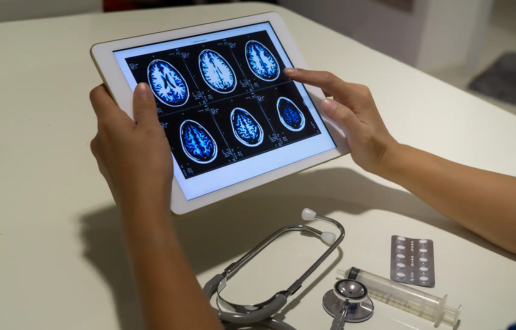
How AI is Used in Cancer Imaging: Benefits, Limits, and Safety
Artificial Intelligence (AI) is rapidly changing many areas of healthcare, including cancer diagnosis and imaging. Modern imaging technologies now use AI-assisted tools to help doctors analyse scans more efficiently and identify suspicious findings with greater precision. While AI is not a replacement for medical expertise, it is becoming an important support system in oncology care.
Dr Nishith Vaddeboina, MBBS, MD (General Medicine), DNB (Medical Oncology), PDCR, ECMO, Hyderabad, believes that patients should understand both the potential and limitations of AI-based cancer technologies. Informed awareness helps patients make confident decisions about modern diagnostic approaches.
What is AI in Cancer Imaging?
AI in cancer imaging refers to the use of computer algorithms and machine learning systems to analyse medical images such as CT scans, MRI scans, PET scans, mammograms, and pathology images. These systems are trained to identify patterns that may indicate cancer or treatment-related changes.
AI tools can assist radiologists and oncologists by highlighting suspicious areas, measuring tumor changes, and improving image interpretation efficiency. Patients searching for advanced cancer imaging in Hyderabad are increasingly hearing about AI-assisted diagnostics as part of modern oncology care.
What Are the Benefits of AI in Cancer Imaging?
One major advantage of AI-assisted imaging is improved efficiency in analysing large volumes of medical images. AI systems may help identify subtle abnormalities that require closer review, supporting earlier detection and more consistent image evaluation in selected situations.
Potential benefits may include:
- Faster scan analysis
- Improved imaging workflow
- Support for early abnormality detection
- Better monitoring of tumor response over time
For patients seeking precision oncology care in Hyderabad, AI-supported imaging represents part of the growing integration of technology into personalised cancer management.
Can AI Replace Doctors in Cancer Diagnosis?
AI is designed to assist healthcare professionals, not replace them. Cancer diagnosis and treatment decisions require clinical judgment, patient history evaluation, physical examination, pathology interpretation, and multidisciplinary medical expertise that AI systems cannot independently provide.
AI tools may occasionally produce false-positive or false-negative results, especially in complex or uncommon cases. This is why all imaging findings must still be reviewed carefully by experienced radiologists and oncologists. Patients looking for medical oncology consultation in Hyderabad should understand that human expertise remains central to cancer care.
Are AI-Based Cancer Imaging Systems Safe?
Safety and accuracy are major priorities in AI-assisted healthcare technologies. AI systems used in clinical practice undergo validation, regulatory review, and ongoing monitoring before implementation. However, performance can vary depending on the quality of data used to train the algorithms.
Responsible use of AI also includes protecting patient privacy, maintaining data security, and ensuring ethical medical decision-making. Patients considering AI-assisted cancer diagnostics in Hyderabad should discuss how imaging technologies are being used as part of their overall care plan.
What Does the Future of AI in Oncology Look Like?
Researchers continue to explore how AI may improve cancer screening, treatment planning, pathology analysis, and prediction of treatment response. Future developments may support more personalised and efficient oncology care, particularly when combined with molecular diagnostics and precision medicine.
According to Dr Nishith Vaddeboina, “Artificial Intelligence is an important tool that can support oncology specialists, but patient care must always remain evidence-based, clinically supervised, and centred around individual medical needs.”
Patients should remember that technology works best when integrated with experienced medical expertise and compassionate clinical care.
Conclusion
AI in cancer imaging is helping improve the speed and precision of modern cancer diagnostics. While AI-assisted systems offer important benefits in imaging analysis and workflow support, they are designed to complement—not replace—qualified medical professionals.
If you would like to understand more about advanced cancer imaging in Hyderabad or discuss modern oncology diagnostic approaches, consult Dr Nishith Vaddeboina, Medical Oncologist in Hyderabad, for personalised medical guidance.