
MRD Explained: How Minimal Residual Disease Testing Changes Follow-Up and Treatment Decisions
Many cancer patients feel hopeful after completing treatment, but they also worry about whether cancer could return. Standard scans and blood tests may not always detect very small numbers of remaining cancer cells. This is where Minimal Residual Disease (MRD) testing is becoming an important advancement in modern oncology.
Dr Nishith Vaddeboina, MBBS, MD (General Medicine), DNB (Medical Oncology), PDCR, ECMO, Hyderabad, believes that better monitoring tools can help personalise cancer care. MRD testing allows doctors to detect tiny traces of cancer that may remain after treatment and guide more informed follow-up decisions.
What is Minimal Residual Disease (MRD)?
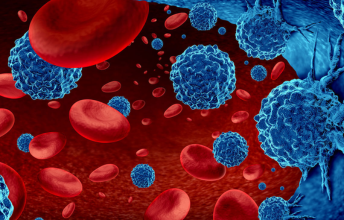
Minimal Residual Disease (MRD) refers to a very small number of cancer cells that may remain in the body after treatment, even when scans or routine tests appear normal. These residual cells may not cause symptoms immediately but can sometimes lead to recurrence later.
MRD testing uses highly sensitive molecular techniques to identify these hidden cancer cells. Patients searching for MRD testing in Hyderabad are increasingly learning about how this advanced monitoring approach helps doctors evaluate treatment effectiveness more accurately.
How Does MRD Testing Work?
MRD testing may involve blood-based molecular analysis, bone marrow testing, or advanced genomic techniques depending on the type of cancer. The goal is to detect extremely low levels of cancer-related genetic material that traditional methods may miss.
In cancers such as leukemia, lymphoma, multiple myeloma, and certain solid tumors, MRD testing can provide valuable information during follow-up care. Many patients seeking advanced cancer monitoring in Hyderabad are now discussing MRD-based monitoring with their oncologists as part of personalised cancer management.
Why is MRD Important in Cancer Follow-Up?
MRD testing helps doctors assess whether treatment has been highly effective or if microscopic disease may still be present. A negative MRD result may suggest a better treatment response, while a positive MRD result may indicate the need for closer monitoring or additional therapy.
This information can influence important decisions such as:
- Adjusting treatment intensity
- Planning maintenance therapy
- Monitoring recurrence risk
- Evaluating long-term treatment response
For patients looking for precision oncology care in Hyderabad, MRD testing is becoming an important part of evidence-based follow-up strategies.
Can MRD Testing Replace Regular Scans and Check-Ups?
Although MRD testing is highly advanced, it does not completely replace regular clinical evaluations, imaging studies, or laboratory investigations. Cancer care still requires a comprehensive approach that combines multiple diagnostic methods for accurate decision-making.
MRD results should always be interpreted in the context of the patient’s overall clinical condition. Different cancers may require different monitoring approaches. Patients considering molecular cancer testing in Hyderabad should discuss the benefits and limitations of MRD testing with a qualified medical oncologist.
Who May Benefit from MRD Testing?
MRD testing is commonly used in hematological cancers such as leukemia and multiple myeloma, but research is expanding its role in several solid tumors as well. Patients undergoing targeted therapy, immunotherapy, or long-term cancer surveillance may benefit from advanced residual disease monitoring.
According to Dr Nishith Vaddeboina, “Modern cancer treatment is no longer only about treating visible disease. MRD testing helps clinicians understand the microscopic disease burden and tailor follow-up strategies more precisely for each patient.”
Every patient’s cancer journey is different. Decisions regarding MRD testing depend on cancer type, treatment response, clinical history, and individual treatment goals.
Conclusion
Minimal Residual Disease (MRD) testing is changing the way oncologists monitor cancer after treatment. By detecting tiny amounts of remaining disease, MRD testing helps guide follow-up planning, treatment adjustments, and long-term surveillance with greater precision.
If you would like to understand whether MRD testing in Hyderabad may be relevant for your cancer care, consult Dr Nishith Vaddeboina, Medical Oncologist in Hyderabad, for personalised guidance based on your diagnosis and treatment plan.