
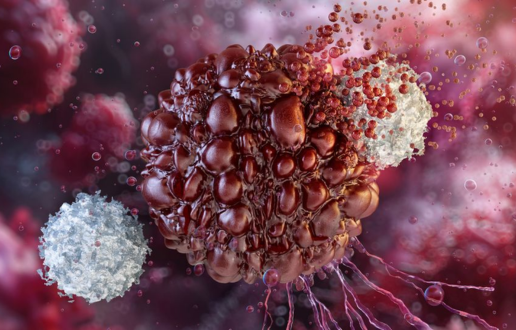
Next-Generation CAR Therapies for Solid Tumors: What Patients Should Know
Cancer treatment is evolving rapidly with advances in immunotherapy and personalised medicine. Many patients today are hearing about CAR-T cell therapy and wondering whether it can help treat solid tumors. While CAR-T therapy has already shown promising results in certain blood cancers, researchers are now working on newer approaches designed specifically for solid tumors.
Dr Nishith Vaddeboina, MBBS, MD (General Medicine), DNB (Medical Oncology), PDCR, ECMO, Hyderabad, believes that patient awareness about emerging cancer therapies is important for informed decision-making. Understanding how next-generation CAR therapies work can help patients discuss realistic treatment expectations with their oncology team.
What is CAR-T Cell Therapy?
CAR-T cell therapy is a form of advanced immunotherapy where a patient’s own immune cells, called T-cells, are modified in a laboratory to recognise and attack cancer cells more effectively. These engineered cells are then infused back into the patient’s body to help target cancer.
Traditional CAR-T therapies have shown encouraging outcomes in certain blood cancers such as leukemia and lymphoma. Researchers are now exploring CAR-T therapy for solid tumors in Hyderabad and worldwide to improve treatment possibilities for cancers that are more difficult to target.
Why Are Solid Tumors More Challenging?
Unlike blood cancers, solid tumors create a complex environment that can protect cancer cells from the immune system. Tumor cells may hide from immune detection, reduce T-cell activity, or create barriers that limit immune cell penetration into the tumor tissue.
This is why scientists are developing next-generation CAR therapies with improved targeting abilities, stronger immune activation, and better persistence inside the body. Patients searching for advanced immunotherapy in Hyderabad are increasingly interested in these newer treatment developments.
What Makes Next-Generation CAR Therapies Different?
Next-generation CAR therapies aim to overcome the limitations of earlier CAR-T approaches. Researchers are studying multiple innovations, including dual-target CAR-T cells, armored CAR-T therapies, and combination strategies with immunotherapy or targeted therapy.
Some newer approaches are designed to:
- Improve cancer cell recognition
- Reduce treatment resistance
- Enhance immune response inside tumors
- Minimise certain treatment-related toxicities
These developments are part of the growing field of precision oncology treatment in Hyderabad and globally.
Are CAR Therapies Available for All Solid Tumors?
It is important for patients to understand that many next-generation CAR therapies for solid tumors are still under clinical research and evaluation. Availability may vary depending on cancer type, treatment centre, regulatory approvals, and eligibility criteria.
Some cancers currently being studied include breast cancer, lung cancer, pancreatic cancer, ovarian cancer, and glioblastoma. Participation in clinical trials may be considered for selected patients under specialist guidance. Patients looking for cancer immunotherapy consultation in Hyderabad should discuss whether emerging therapies may be relevant for their individual case.
What Should Patients Know Before Considering CAR Therapy?
CAR-T therapy is highly specialised and requires careful evaluation by an experienced oncology team. Factors such as overall health, cancer stage, previous treatments, and treatment goals play an important role in determining suitability.
According to Dr Nishith Vaddeboina, “Advanced immunotherapy approaches like next-generation CAR therapies represent an important area of ongoing cancer research. However, treatment decisions should always be based on scientific evidence, patient safety, and personalised oncology assessment.”
Patients should also understand that all cancer treatments carry potential benefits and risks. Detailed counselling and close medical supervision remain essential throughout the treatment process.
Conclusion
Next-generation CAR therapies for solid tumors are opening new possibilities in cancer immunotherapy research. Although many approaches are still evolving, these advancements may help improve treatment precision and expand future options for patients with difficult-to-treat cancers.
If you would like to understand more about CAR-T therapy for solid tumors in Hyderabad or explore advanced immunotherapy options, consult Dr Nishith Vaddeboina, Medical Oncologist in Hyderabad, for personalised guidance based on your medical condition and treatment history.